Parasi (Nawalparasi)
April 2023 · Fieldwork in the Terai and Ganja La
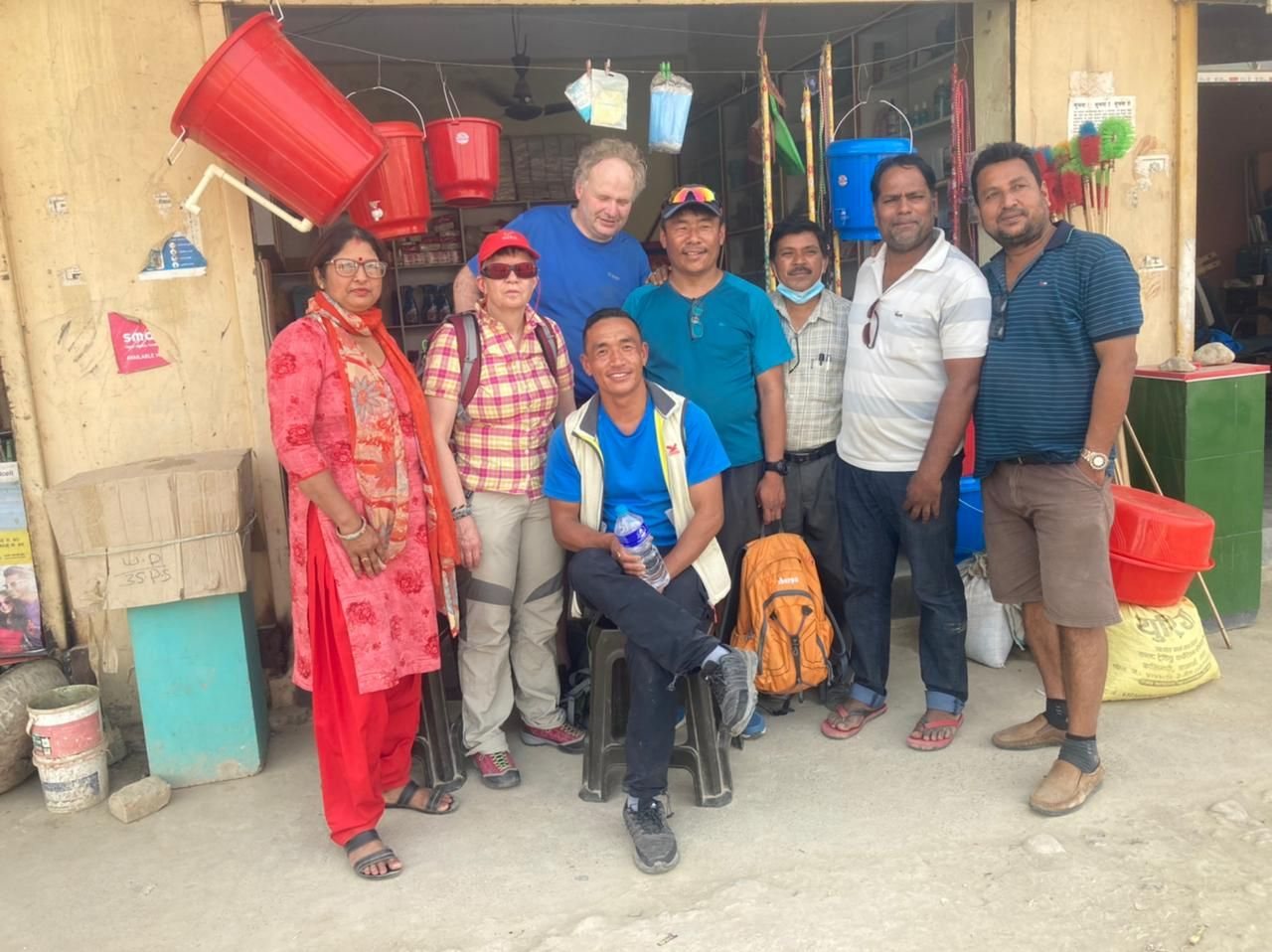
The team responsible for checking and producing the Kanchan arsenic filters in Parasi (Nawalparasi province).
Research project of Dr Barbara Müller (since 2015)
Since 2015 I have been responsible for a humanitarian research project: “Arsenic contamination in groundwater in Nepal and mitigation of its consequences by means of sustainable water supply systems”.
We are building single-household filters from local materials that the affected population can buy locally, which can remove the highly toxic arsenic contained in the groundwater. This works through surface adsorption on rusty nails. Our work now shows very clearly that these filters work perfectly when handled properly, and that we urgently need to train the affected population in handling the filters. And that we should also find groundwater horizons containing less arsenic through further drilling.
My Nepali colleagues and I still depend on financial support for this project: How you can donate
In many developing countries, surface water is so heavily contaminated with bacteria that it is no longer suitable as drinking water without treatment. To avoid the associated costs in staff, materials and money, drinking water is increasingly being drawn from groundwater. This is technically more demanding but financially much cheaper.
In certain Southeast Asian countries (Nepal, India, Burma, Bangladesh, Vietnam, Cambodia, Laos, Thailand), the groundwater contains so much arsenic for geogenic (i.e. geological) reasons that it causes chronic arsenic poisoning among the population.
A Canadian non-governmental organisation (NGO) called CAWST has committed itself to remedying this problem: since 2005 it has been producing and installing water filters on site, using local materials, which remove the arsenic from the groundwater. To do this, it depends on competent local and international partners for dialogue and cooperation.
Because the filters often do not perform well enough so far, further basic research in chemistry and the earth sciences is needed. It is now clear where the arsenic originally comes from: light-coloured (felsic) rocks of the Himalaya that are rich in quartz and clay minerals. Rivers carry these rocks down to the lowlands, where they deposit their load, forming the groundwater-bearing sediments (sedimentary rocks, in this case alluvial or river sediments). For geological reasons, these felsic rocks contain hardly any iron, and this is the main reason why the filters perform so poorly. Yet iron is urgently needed to make the nails in the filters rust, so that they can bind the arsenic to their surface and remove it from the groundwater. In addition, we need to clarify exactly how the arsenic passes geochemically from the sediments into the groundwater.
In collaboration with Dr Barbara Müller and a local project partner, groundwater and drinking water monitoring must now be set up in Nepal, and the filters mentioned must be checked and improved. The geological conditions must also be researched further and the resulting measures implemented. In addition, further rock samples will be collected in the Himalayas to narrow down the area the arsenic originates from.
Where I have taken water samples, checked filters and looked for rocks. On the map: solid line by jeep, dotted on foot, dashed by air. A pin shows a picture and a note for the place.
On a mobile phone, the map can be scrolled sideways.
Tap a point on the map or choose a place from the list below.
April 2023 · Fieldwork in the Terai and Ganja La
The team responsible for checking and producing the Kanchan arsenic filters in Parasi (Nawalparasi province).
2023 · Fieldwork in the Terai and Ganja La
Water samples from Kapilvastu province, visited for the first time, analysed by Eawag.
May 2023 · Fieldwork in the Terai and Ganja La
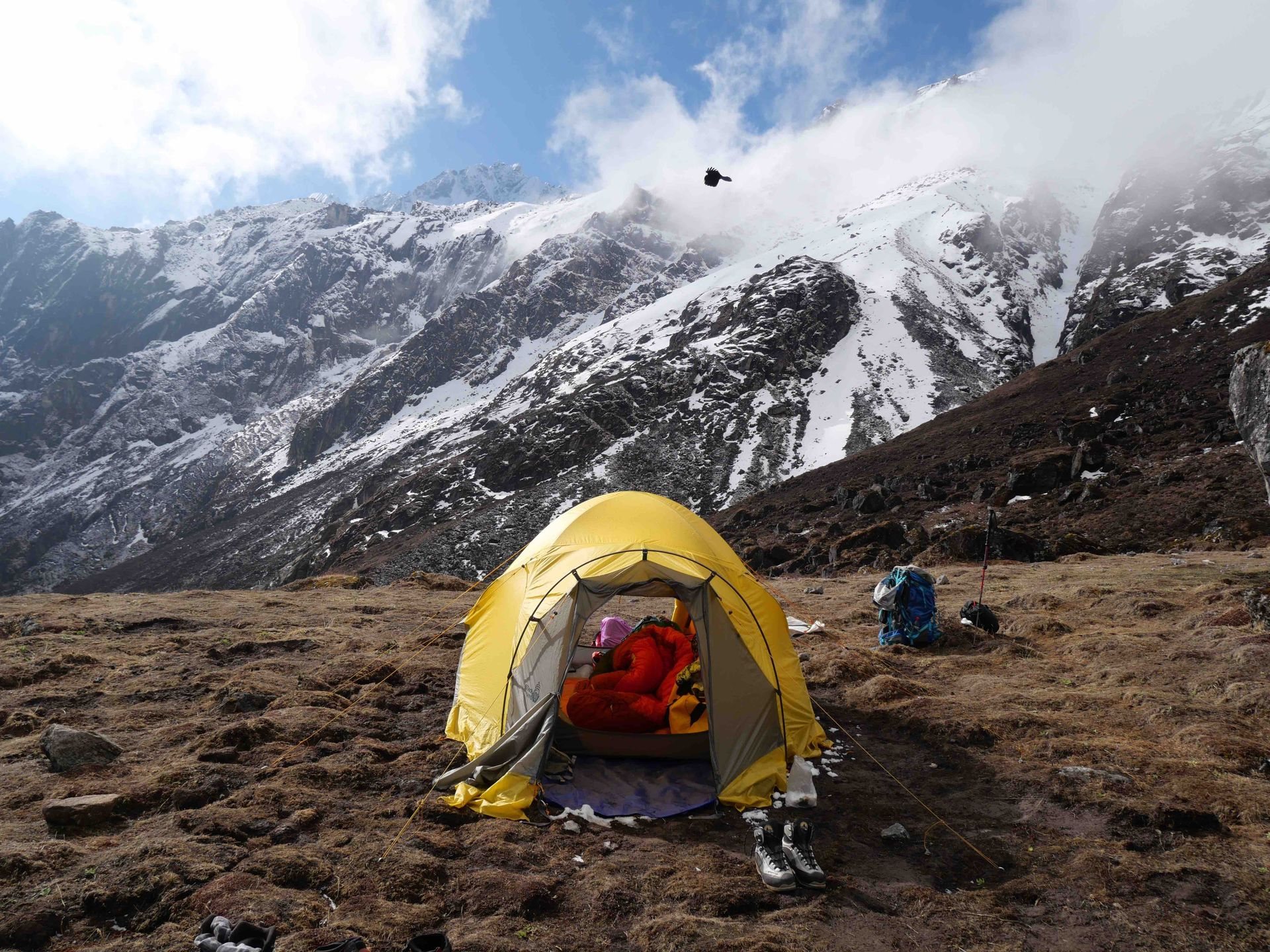
My tent on a hilltop on the way to the Ganja-La Pass (crossing Langtang – Helambu, north of Kathmandu).
8/9 November 2023 · Dhorpatan – Dolpo trek
A day in Pokhara, then by jeep to the little village of Lamsung at 2100 m.
10/11 November 2023 · Dhorpatan – Dolpo trek
Rest day in Lamsung for acclimatisation, then up to the Jaljala Pass (3400 m).
12/13 November 2023 · Dhorpatan – Dolpo trek
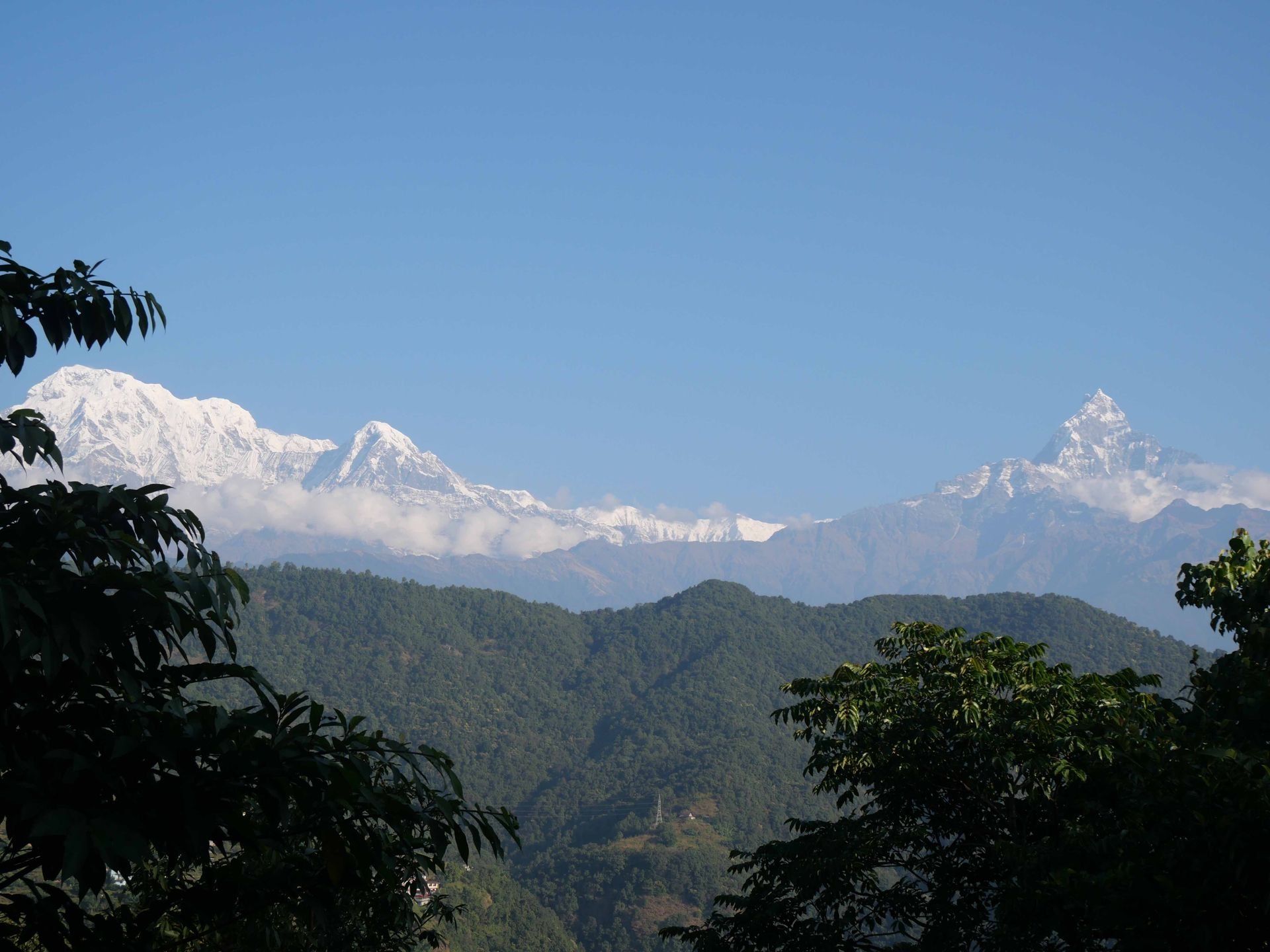
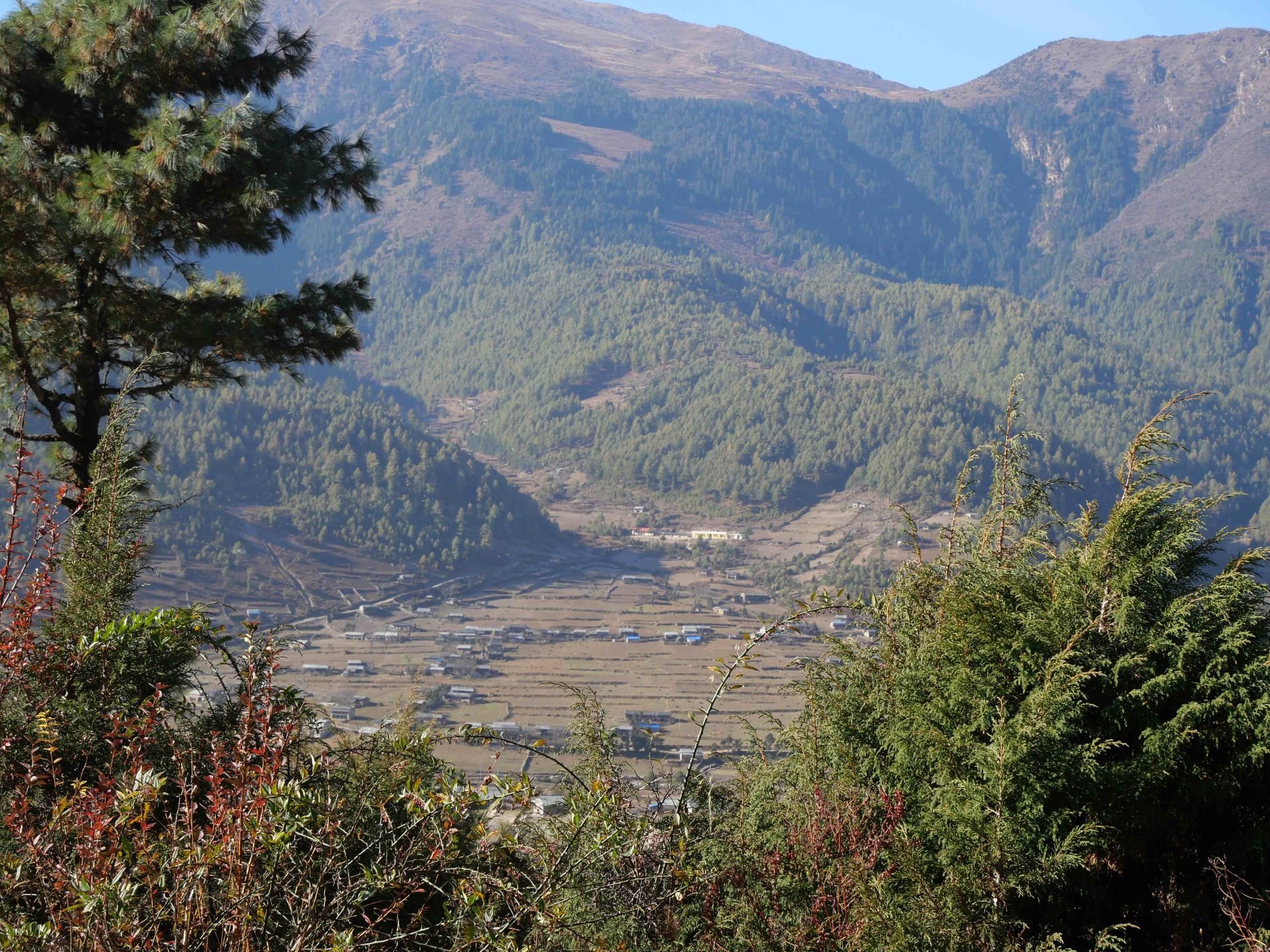
Sunrise with a view of Dhaulagiri, then eight hours to Dhorpatan, a small village where many people from Tibet live.
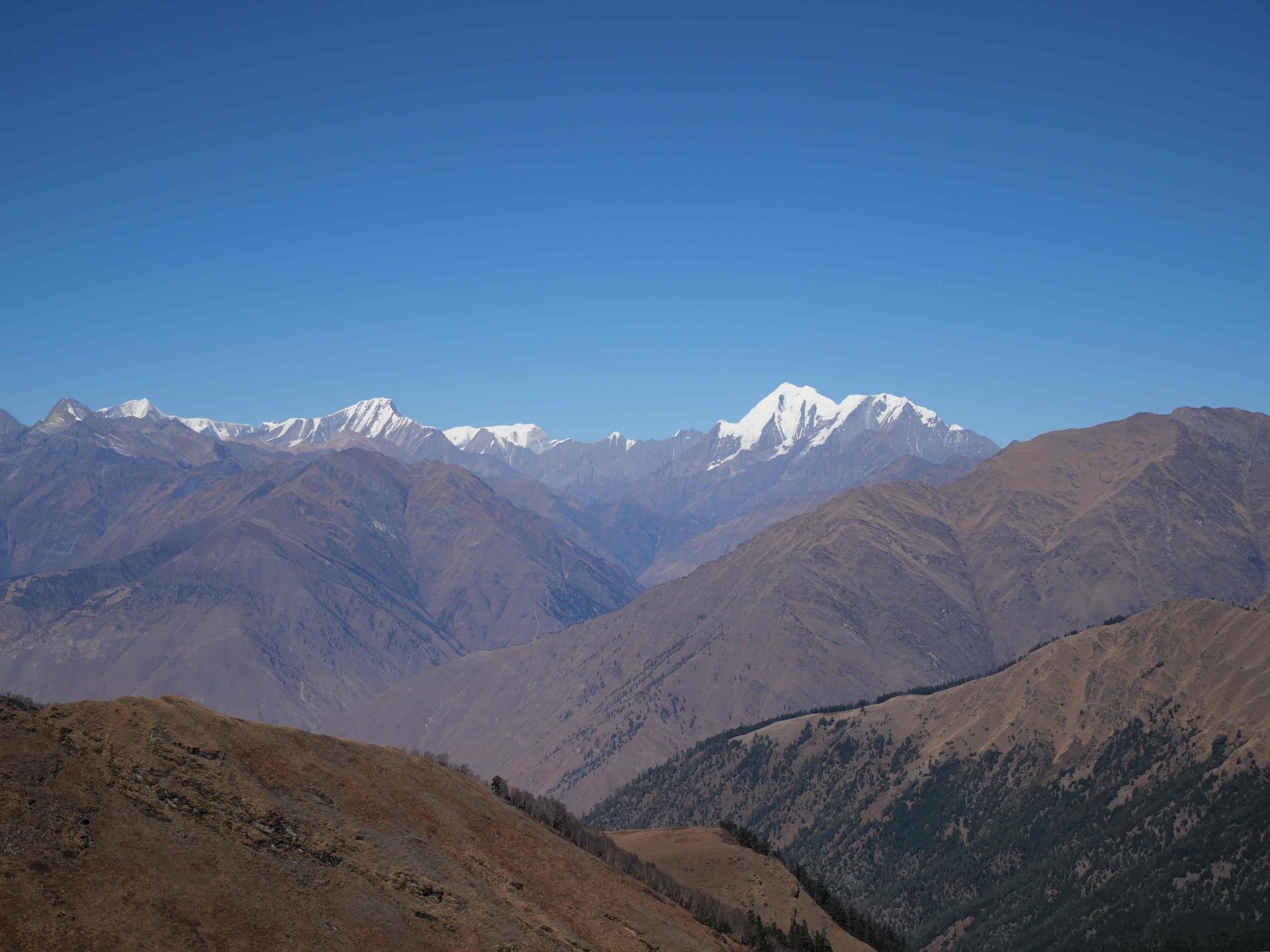
November 2023 · Dhorpatan – Dolpo trek
Through the provinces of Baglung and Rukum to Dunai, the main town of Dolpo province.
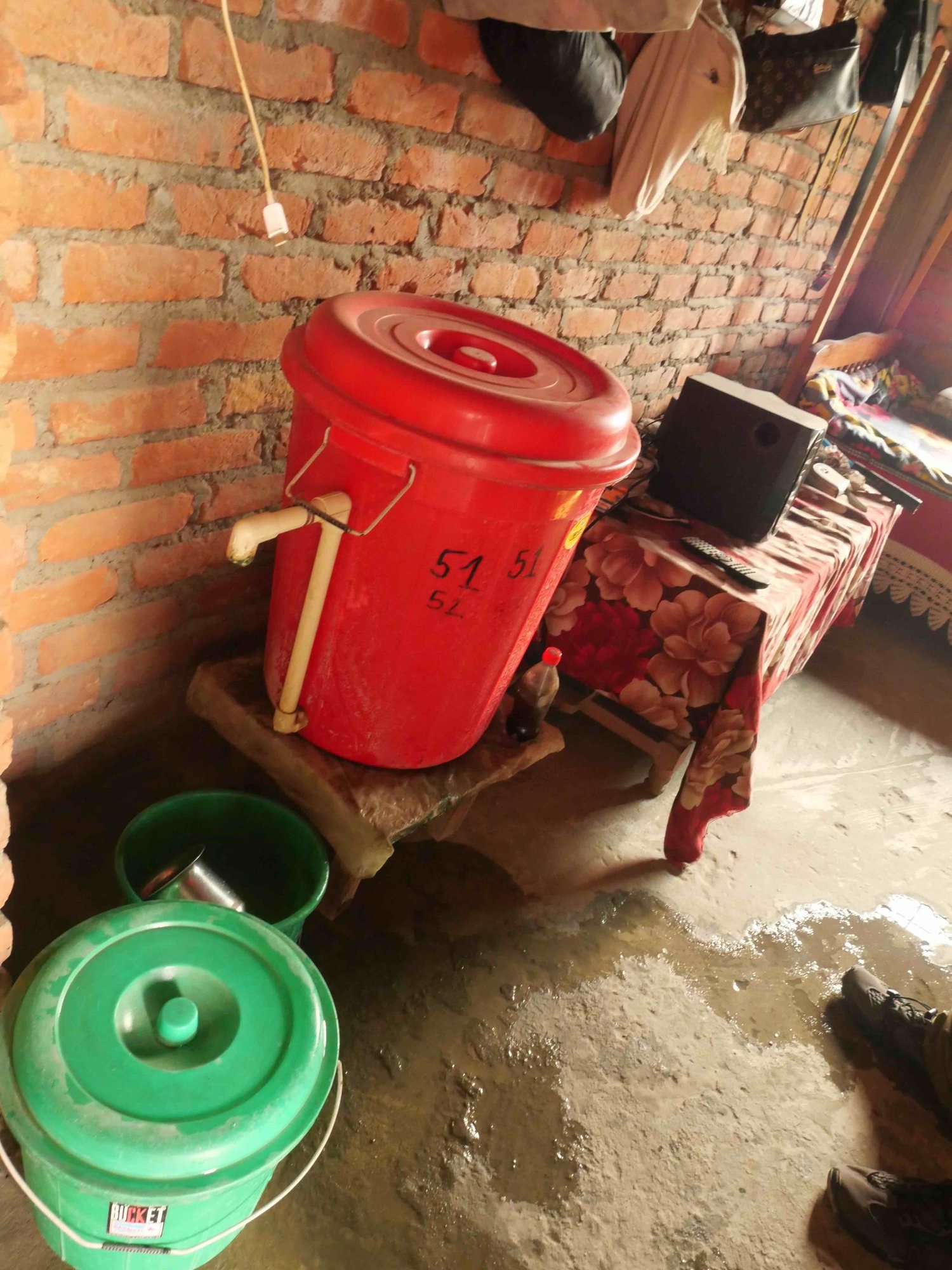
April 2024 · Terai and Pike Peak
16 of the original 20 filters were still in use, and we were able to take samples.
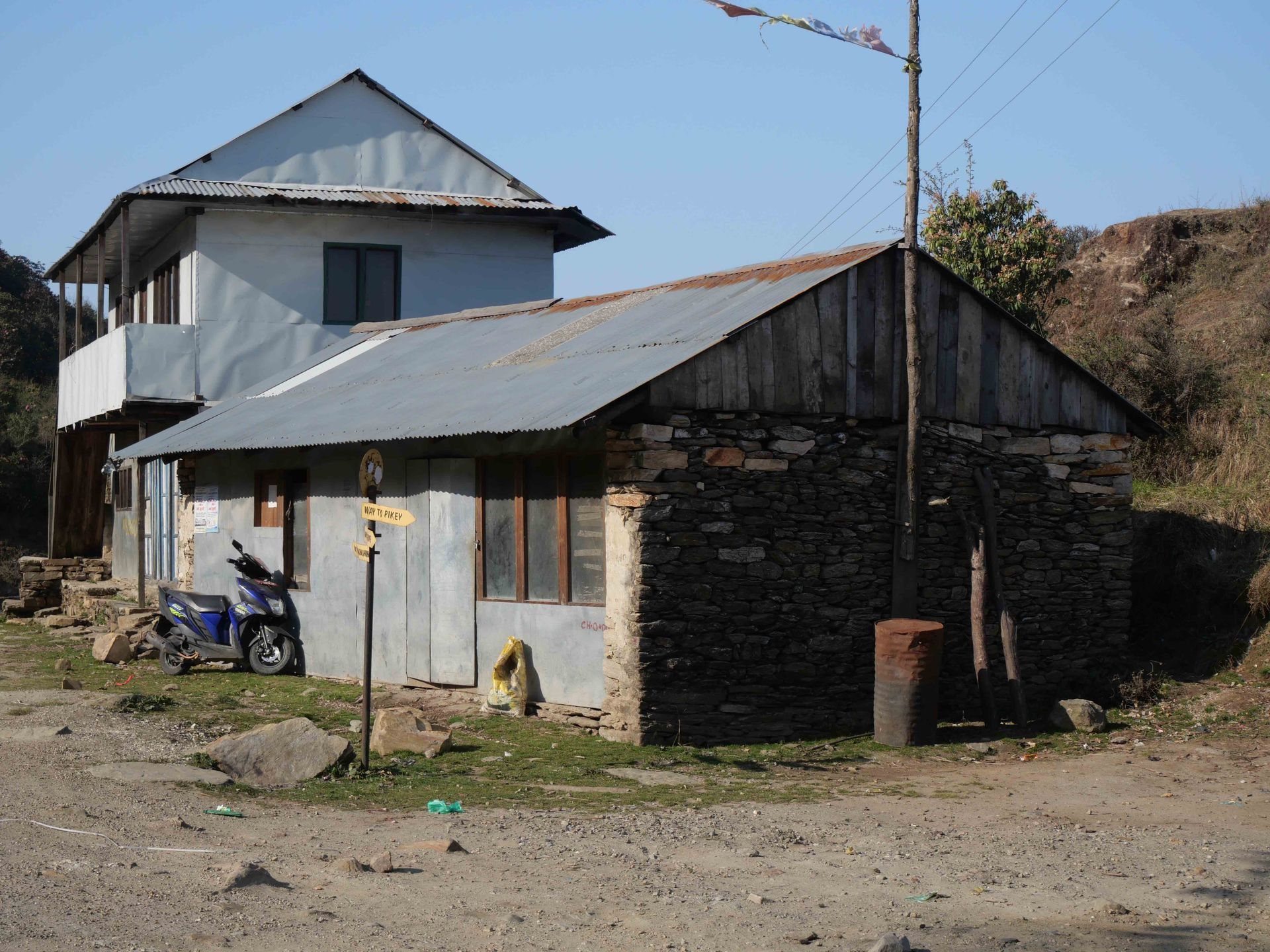
April 2024 · Terai and Pike Peak
The starting point, Dhap: ten days in the Solu-Khumbu area.
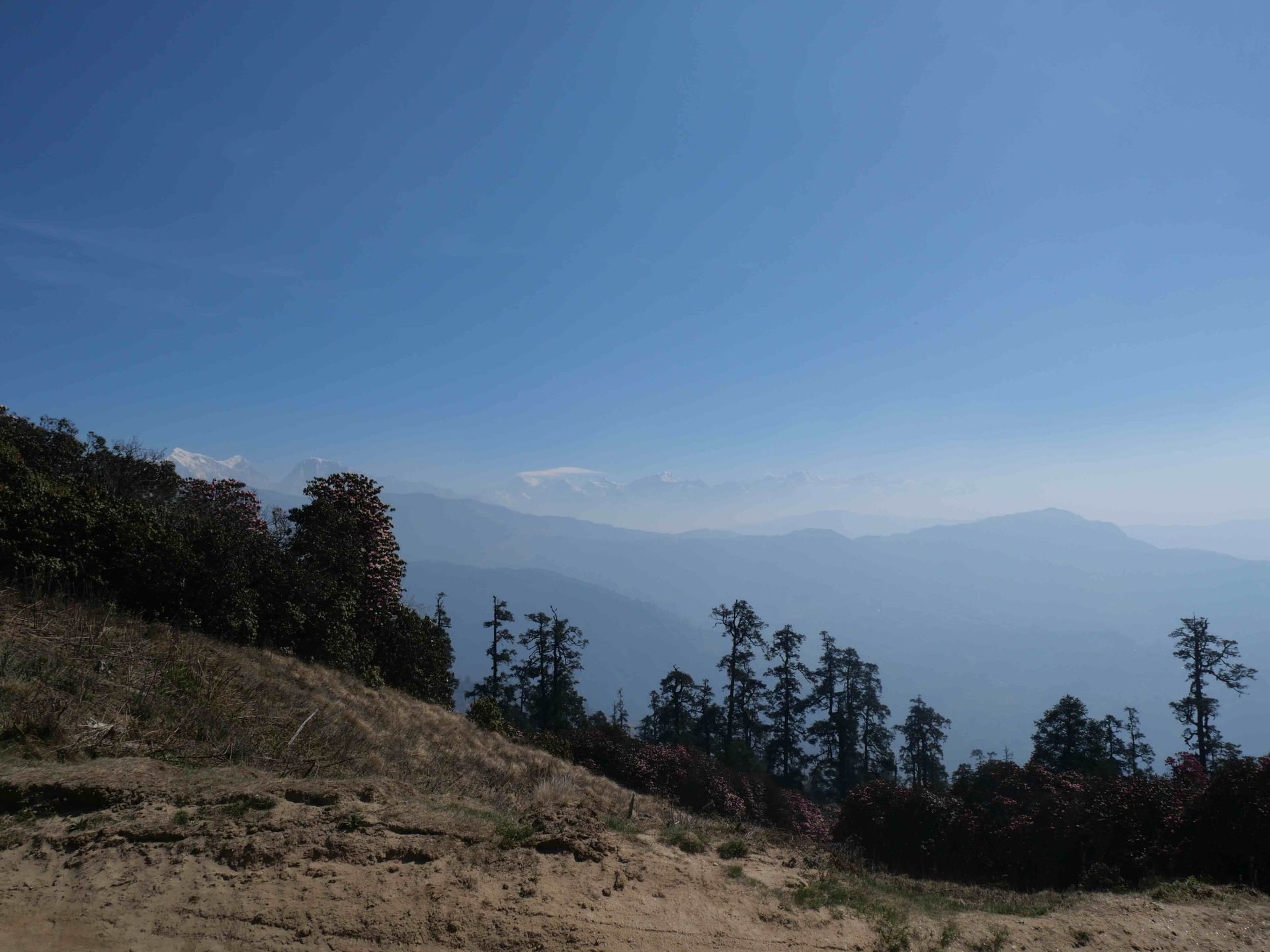
April/May 2024 · Terai and Pike Peak
View from Pike Peak (4065 m) towards Sagarmatha (Mount Everest), by day and by night, in stormy winds.
Autumn 2024 · Trek Dolpo – Lo Mantang
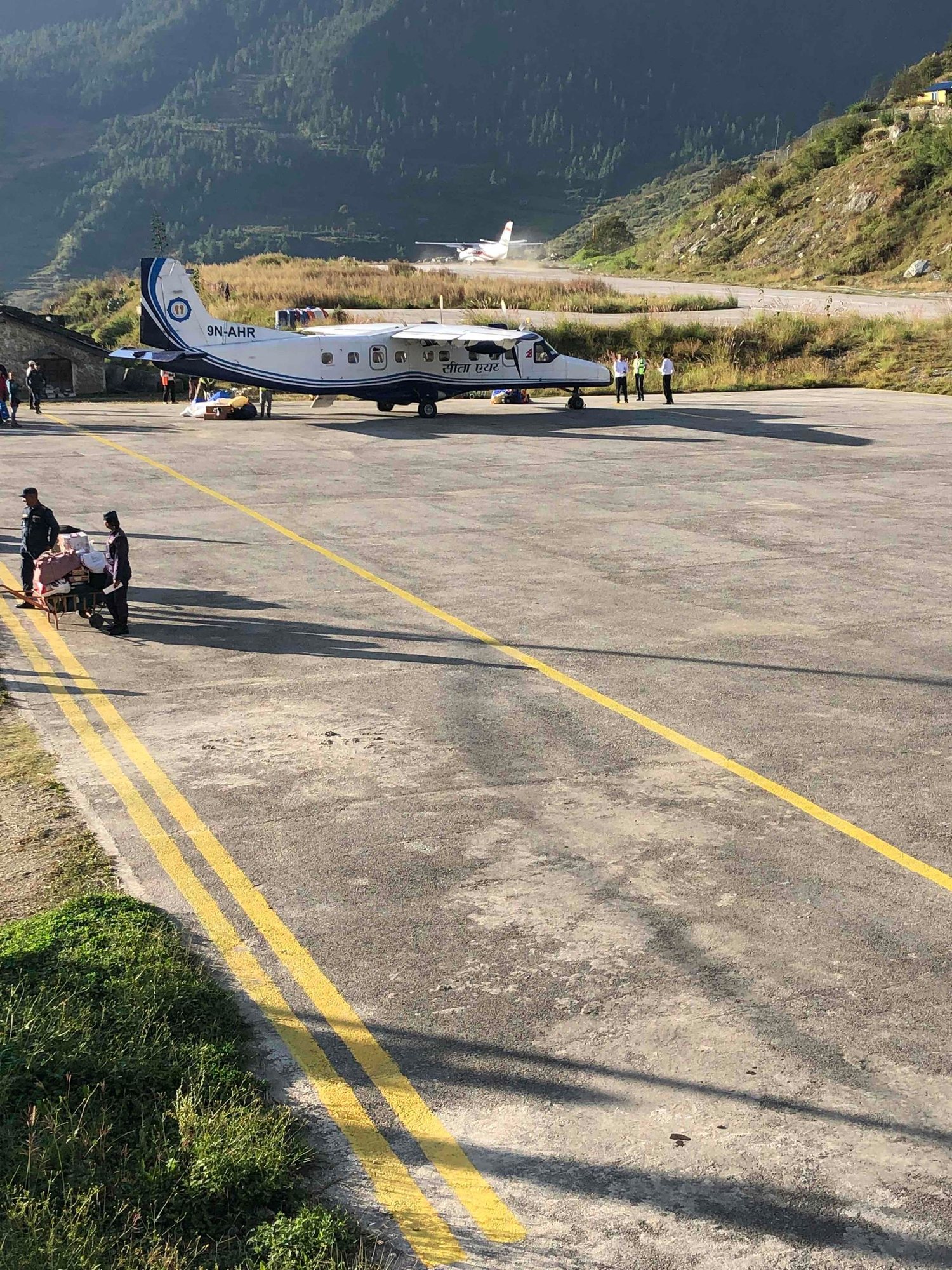
Arrived a day late in Juphal, the starting point of the trek.
Autumn 2024 · Trek Dolpo – Lo Mantang
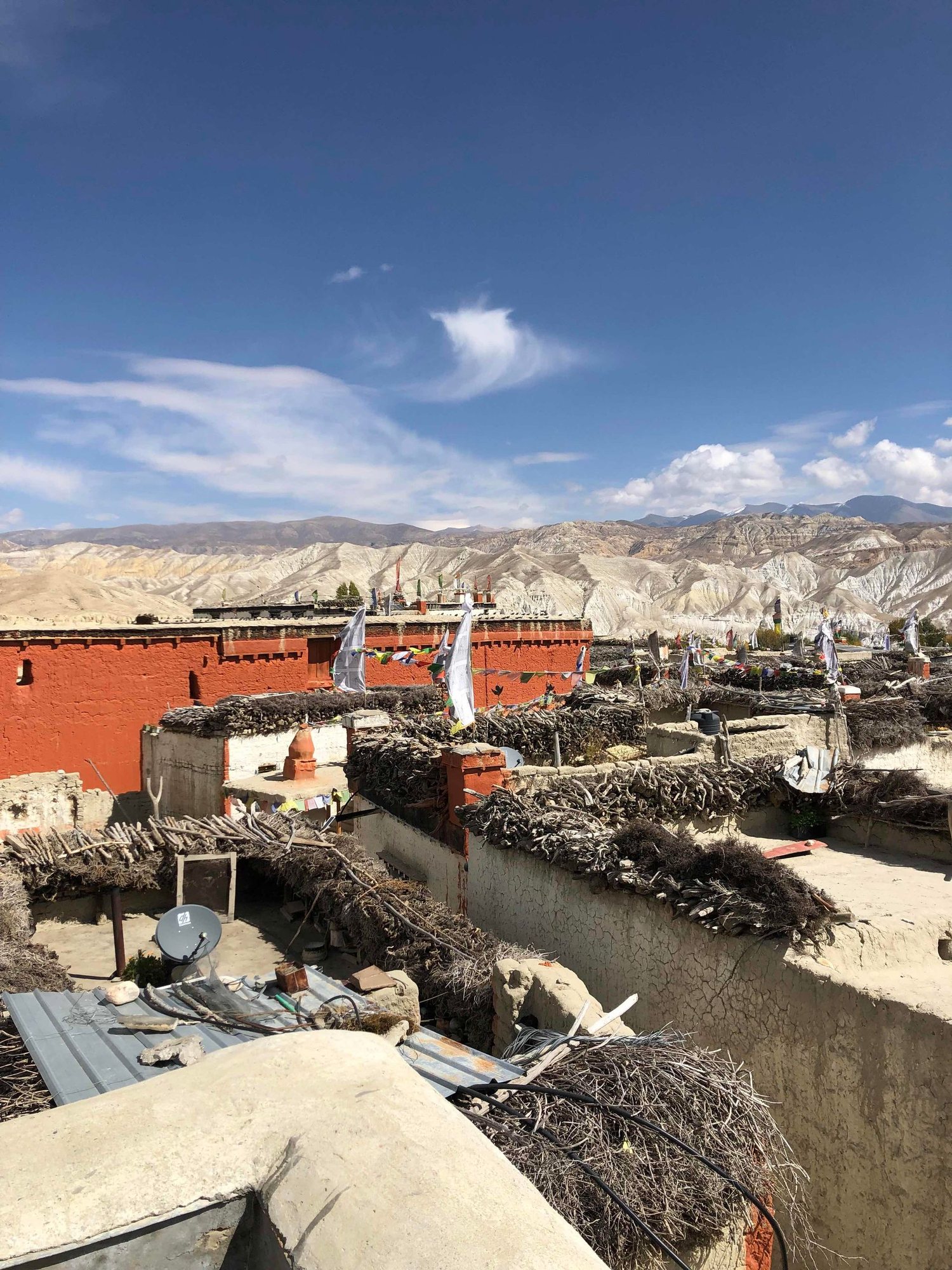
From Charkhabhot to Lo Mantang, often without a trail and navigating by sight alone, up to 5800 m, blue skies every day.
April 2025 · Fieldwork in Banke
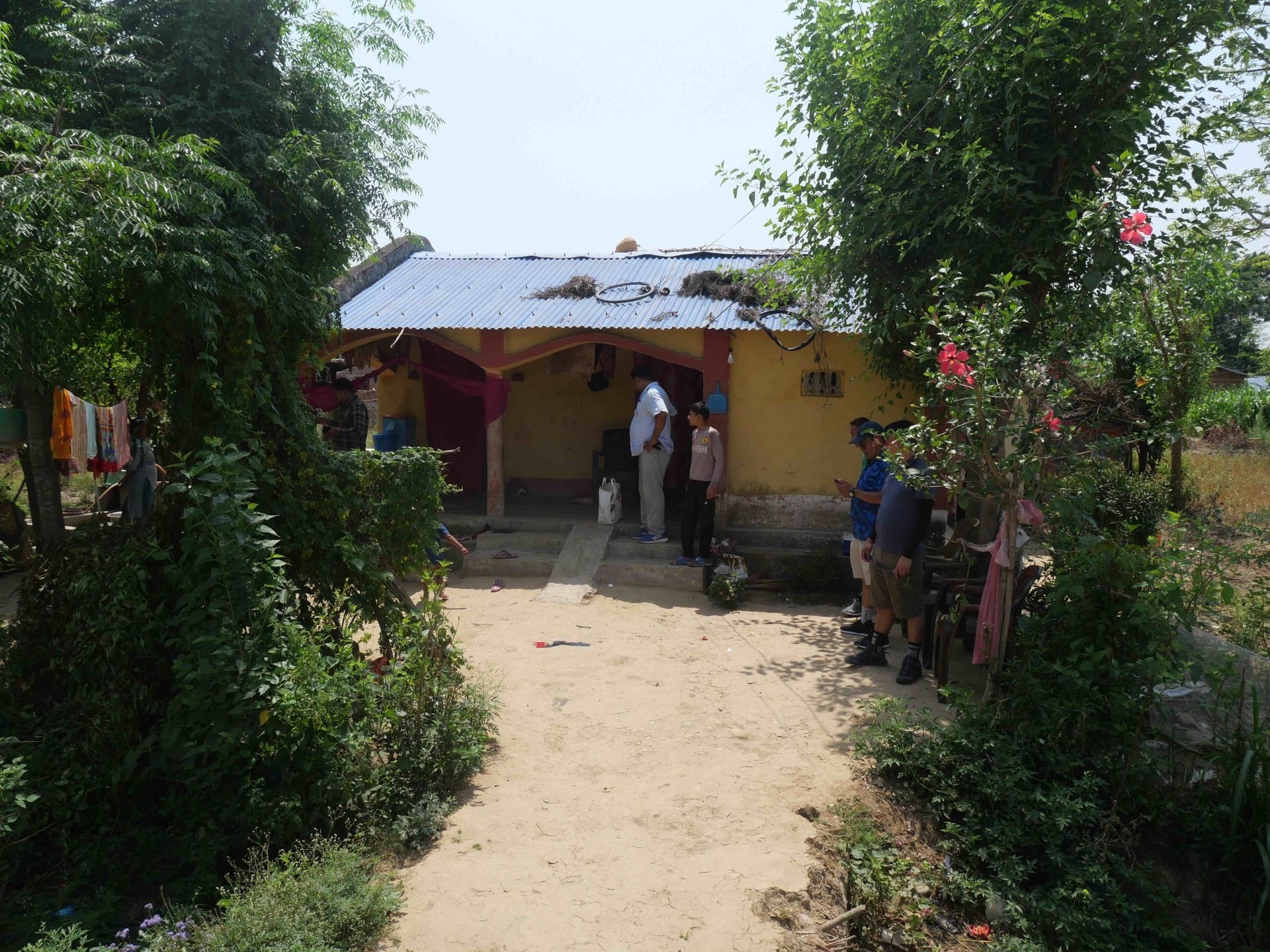
Fieldwork in Banke Province near Nepalgunj: inspected concrete filters and took samples, in almost unbearable heat.
April 2025 · Fieldwork in Banke
Planned: water samples in Bardia National Park, west of Nepalgunj.
April 2025 · Khumbu three-pass trek
Trek over three passes in the Khumbu: Lukla, Namche, Gokyo, Cho La, Dzongla, Lobuche, Kongma La, Dingboche, Tengboche.
October 2026 · Kangchenjunga trek
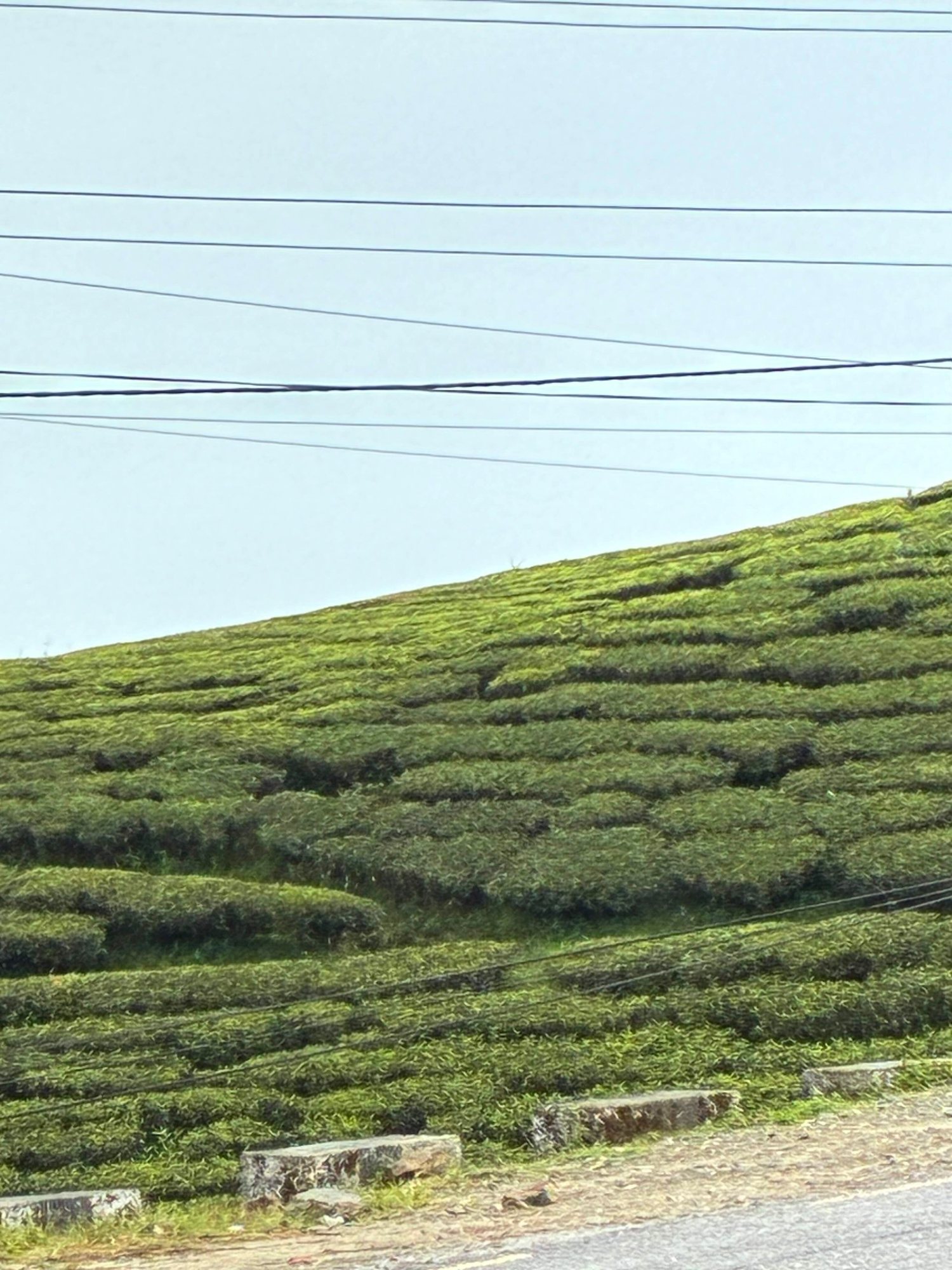
A new adventure: none of us had ever been to the Kangchenjunga area. Tough and demanding, not suitable for beginners.
Solid lines follow the road (OpenStreetMap), dotted lines the footpath, dashed lines the flight. Fine broken lines are only approximate, because the diary does not name the exact route. Journeys before 2023 are missing; they will be added once the details are known. Relief: SRTM elevation data (NASA), national border: geoBoundaries.
The following project partners are involved in the project “Mitigation of geogenic contamination of groundwater by arsenic in the Terai region of southern Nepal”:
Fieldwork, laboratory analyses and training cost money. If you would like to help, I am grateful for every donation.